
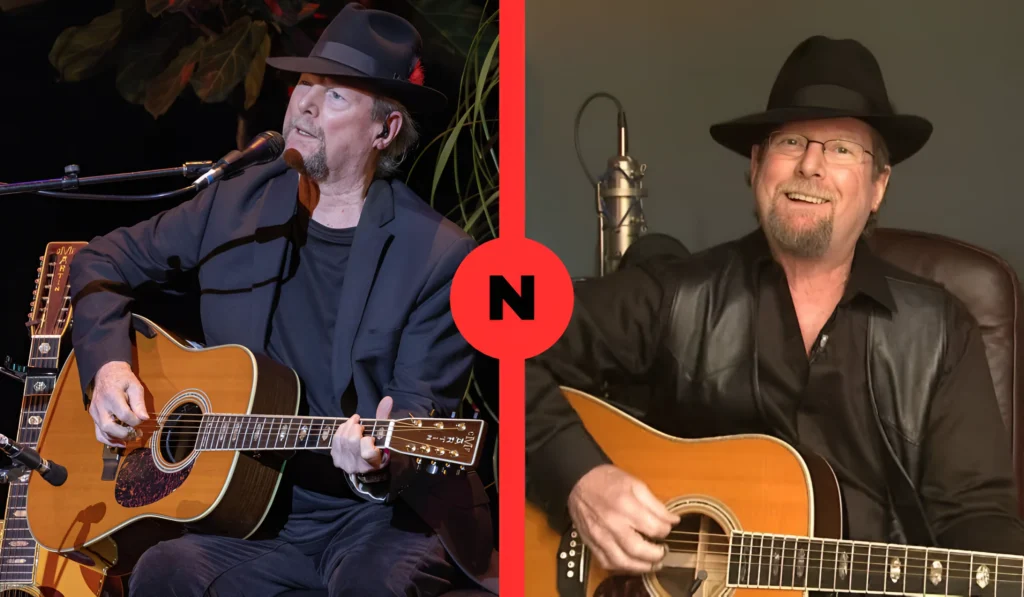
Roger McGuinn is one of the musicians whose influence reaches far beyond the songs most people associate with his name. Best known as the founding member and distinctive guitarist of The Byrds, McGuinn helped shape the sound of 1960s folk-rock by combining traditional songwriting with the bright, ringing tone of a twelve-string electric guitar. His
Roger McGuinn is one of the musicians whose influence reaches far beyond the songs most people associate with his name. Best known as the founding member and distinctive guitarist of The Byrds, McGuinn helped shape the sound of 1960s folk-rock by combining traditional songwriting with the bright, ringing tone of a twelve-string electric guitar.
His work on songs such as “Mr. Tambourine Man” and “Turn! Turn! Turn!” helped establish The Byrds as one of the defining American bands of their generation. Yet his musical journey did not end when the group dissolved. McGuinn continued recording, performing, exploring folk traditions, and preserving older songs for new audiences.
What makes his career particularly interesting is the way he connected different musical worlds. Folk music, rock and roll, country, and experimental sounds all became part of his artistic identity. His story is not simply about the success of a famous band; it is also about the lasting impact one musician can have on the development of popular music.
Who Is Roger McGuinn?
Roger McGuinn is an American singer, songwriter, and guitarist best known for co-founding The Byrds in 1964. Born James Joseph McGuinn III, he became the band’s central musical figure and helped establish its recognizable guitar sound and vocal arrangements.
The Byrds emerged during a period when American popular music was changing rapidly. British bands were attracting enormous attention, folk music was gaining a wider audience, and younger musicians were experimenting with new ways to combine lyrical songwriting and electric instruments.
McGuinn helped bring these influences together. His twelve-string Rickenbacker guitar became one of the most recognizable sounds in folk-rock, while his arrangements helped transform songs associated with traditional folk and contemporary songwriting into successful rock recordings.
The Byrds were inducted into the Rock & Roll Hall of Fame in 1991. Their legacy includes contributions to folk-rock, psychedelic rock, and country-rock, making McGuinn an important figure in the evolution of American popular music.
Roger McGuinn’s Early Life and Musical Beginnings
Roger McGuinn was born on July 13, 1942, in Chicago, Illinois. He developed an interest in music while growing up and was influenced by the folk revival that attracted audiences during the 1950s and early 1960s.
He studied at Chicago’s Old Town School of Folk Music, where he developed his guitar skills and became more familiar with traditional American folk music. These early experiences helped establish the musical foundation that would later distinguish his work with The Byrds.
Before achieving international recognition, McGuinn worked as a musician and songwriter. He performed with folk groups and worked in New York, including a period associated with Bobby Darin’s music organization, where he gained experience as a songwriter, arranger, and session musician.
These jobs helped him understand how songs were constructed and how different musical styles could be adapted for recording and performance.
The arrival of the British Invasion, particularly the popularity of The Beatles, encouraged McGuinn to explore electric guitar sounds more seriously. Instead of abandoning his folk background, he began looking for a way to combine it with the energy and structure of contemporary rock music.
That creative decision became the foundation of his best-known work.
Roger McGuinn and The Byrds
McGuinn co-founded The Byrds in Los Angeles in 1964 with Gene Clark and David Crosby. The group later expanded to include Chris Hillman and Michael Clarke.
The band’s early sound combined close vocal harmonies, folk-inspired lyrics, and the bright electric guitar arrangements that became McGuinn’s signature. Their approach stood apart from many contemporary rock groups because it brought a more literary sensibility to electric pop music.
Their breakthrough arrived in 1965 with “Mr. Tambourine Man,” a Bob Dylan composition that The Byrds transformed into a concise, energetic folk-rock recording. The single reached No. 1 on both the American and British charts.
The song demonstrated that thoughtful folk songwriting could succeed in the mainstream when paired with modern production and an immediately recognizable instrumental sound.
The Byrds followed that success with “Turn! Turn! Turn!,” adapted from a Pete Seeger song using words from the biblical Book of Ecclesiastes. It became another major hit and strengthened the band’s reputation for combining meaningful lyrics with accessible melodies.
McGuinn’s guitar work was central to the group’s identity. The shimmering twelve-string sound added movement and brightness to the arrangements, influencing countless musicians who followed.
Roger McGuinn’s Most Famous Songs
McGuinn’s musical legacy is closely connected with several recordings that continue to attract listeners decades after their original release.
“Mr. Tambourine Man” became one of the defining recordings of early folk-rock. Although Bob Dylan wrote the song, The Byrds’ arrangement gave it a distinctive electric sound and introduced a wider audience to the possibilities of combining folk lyrics with rock instrumentation.
“Turn! Turn! Turn!” became another signature recording. Its lyrics and carefully arranged harmonies helped demonstrate that songs drawing on older traditions could remain relevant to contemporary audiences.
“Eight Miles High” showed a more experimental side of The Byrds. Released in 1966, the track incorporated unusual guitar textures and influences from jazz and other musical styles. It became an important example of the band’s willingness to move beyond conventional pop arrangements.
“So You Want to Be a Rock ‘n’ Roll Star” offered a sharper perspective on the music business, reflecting the pressures and manufactured expectations surrounding pop stardom.
McGuinn also contributed to the group’s evolving sound as its members explored psychedelic music and country influences. The band’s changing lineup and musical direction made its career less predictable, but those experiments helped expand its long-term influence.
Roger McGuinn’s Solo Career
The Byrds officially disbanded in 1973, but McGuinn continued his career as a solo artist.
His early solo albums explored a wider range of sounds, including folk, country, rock, and experimental arrangements. Rather than attempting to reproduce The Byrds’ original success, he continued developing his own musical interests.
In the mid-1970s, McGuinn joined Bob Dylan’s Rolling Thunder Revue, participating in a celebrated touring project that brought together musicians from different backgrounds. The experience connected him with a broader community of performers and songwriters.
He also worked with former Byrds members Chris Hillman and Gene Clark in the late 1970s. Their collaboration produced recordings that revisited the musical chemistry associated with their earlier work while introducing new material.
McGuinn’s solo career did not always generate the same commercial attention as The Byrds’ biggest hits. Nevertheless, it allowed him to continue performing and exploring music on his own terms.
His reputation as a guitarist and interpreter of folk material remained an important part of his identity.
Roger McGuinn and the Folk Den Project
One of McGuinn’s notable later projects was Folk Den, which he launched online in 1995.
The project grew from an interest in preserving traditional folk music. Many folk songs had survived through oral traditions and performances passed between generations, but not every song had been documented in widely accessible recordings.
Through Folk Den, McGuinn recorded and shared traditional songs, helping introduce this material to people who might otherwise never encounter it.
The project reflected his belief that music should not be understood only through commercial success or chart positions. Traditional songs can carry historical information, cultural memories, and stories that remain meaningful long after their original context has changed.
Folk Den also showed how musicians could use the internet to preserve cultural material and reach listeners outside conventional record distribution.
This work added another dimension to McGuinn’s legacy. He was not simply a performer drawing on musical history; he also became an active participant in preserving it.
Roger McGuinn’s Personal Life
McGuinn has maintained a relatively private personal life compared with many contemporary entertainment figures. His public identity has largely centered on music, songwriting, touring, and his interest in traditional folk culture.
His personal journey has also included changes in religious belief. During the 1970s, he became interested in the Subud spiritual movement and changed his first name from Jim to Roger. He later became a Christian.
These experiences formed part of his broader personal development, although his musical work remains the principal reason for his public recognition.
McGuinn has also discussed the importance of learning from earlier musicians and preserving songs that might otherwise be overlooked. His interest in musical history has continued alongside his own performances and recordings.
Rather than relying on a carefully constructed celebrity persona, he has generally remained associated with his musicianship and the history of The Byrds.
Roger McGuinn’s Influence on Rock Music
McGuinn’s contribution to rock music extends beyond the success of individual songs.
His twelve-string guitar arrangements helped establish a sound that became influential among later rock and pop musicians. The combination of chiming electric guitar, folk-inspired songwriting, and layered vocal harmonies became a recognizable feature of music influenced by The Byrds.
The band’s work also helped demonstrate that rock music could draw on older traditions without losing its modern appeal. That approach contributed to the development of folk-rock and influenced the direction of country-rock and psychedelic music.
The Byrds’ induction into the Rock & Roll Hall of Fame in 1991 recognized the band’s historical importance. McGuinn’s role in its development remains central to that legacy.
His work with Folk Den further strengthened his connection to the history of American music by preserving traditional material for later generations.
The result is a career that bridges several eras: the folk revival, the rise of electric rock, the experimentation of the 1960s, and the digital distribution of music.
Where Is Roger McGuinn Now?
Roger McGuinn has continued to appear in concert and revisit the music that established his reputation. His performances have combined familiar Byrds songs with folk standards, covers, and stories about his musical experiences.
Concert listings in 2026 have documented performances featuring songs such as “Mr. Tambourine Man,” “Eight Miles High,” “Turn! Turn! Turn!,” and “Chestnut Mare.” His live shows have therefore continued to connect his solo work with the history of The Byrds.
The format also allows audiences to hear the songs in a different setting, with McGuinn’s guitar and explanations offering additional context about their origins and arrangements.
His career remains a reminder that musical influence does not depend entirely on new chart hits. Artists can continue contributing through performance, historical preservation, and the way their earlier work inspires later musicians.
Frequently Asked Questions
How old is Roger McGuinn?
Roger McGuinn was born on July 13, 1942. He is 84 years old as of October 2026.
What band was Roger McGuinn in?
McGuinn co-founded The Byrds in 1964. He became the band’s central musical figure and was known for his distinctive twelve-string electric guitar sound.
What are Roger McGuinn’s most famous songs?
His best-known recordings with The Byrds include “Mr. Tambourine Man,” “Turn! Turn! Turn!,” “Eight Miles High,” and “So You Want to Be a Rock ‘n’ Roll Star.”
Was Roger McGuinn inducted into the Rock & Roll Hall of Fame?
Yes. The Byrds were inducted into the Rock & Roll Hall of Fame in 1991, recognizing their influence on rock music.
What is Roger McGuinn’s Folk Den?
Folk Den is an online project McGuinn launched in 1995 to record and preserve traditional folk songs, making them accessible to a wider audience.
Final Thoughts
Roger McGuinn’s career is an important part of the story of modern American music. Through The Byrds, he helped establish a distinctive blend of folk songwriting and electric rock that influenced musicians across multiple generations.
His later solo work and Folk Den project reveal a musician whose interests extend beyond the achievements of his most famous band. He has continued to perform, revisit traditional material, and share the musical history that shaped his own development.
McGuinn’s legacy rests not only on a handful of influential recordings but also on the sound he helped create and the traditions he has worked to preserve. That combination of innovation and historical awareness makes his career worth exploring long after the original folk-rock movement has passed into music history.
Discover More: Dakota Rain Burton: The Private Life of Dolores O’Riordan’s Daughter

















Leave a Comment
Your email address will not be published. Required fields are marked with *